The question came up after class more than any other, usually phrased apologetically: “Can’t I just put it on Spotify?” And my answer always surprised parents, coming from someone who mails out CDs for a living: yes, you can, and streaming is genuinely great at some of this. But the two formats are not the same experience for a small child, and the differences have very little to do with sound quality.
Here’s the honest version of CDs vs streaming for kids, both sides, and what ended up in my own living room.
CDs vs Streaming for Kids at a Glance
| CDs | Streaming | |
|---|---|---|
| Who operates it | The child, alone, from about three | An adult, on an adult’s device |
| Screen involved | None | Yes — phone, tablet or computer |
| What plays next | Silence; the child chooses again | Autoplay chooses |
| Catalog | The albums you own | Nearly everything ever recorded |
| Cost | $1 to $2 a used disc; $20 to $40 player | $12.99 to $21.99 a month, or $0 if you already subscribe |
| Ownership | A shelf that stays yours | Access that ends with the subscription |
| In the car | Only in older cars | Anywhere |
| Best at | Repeat listening, ownership, focus | Discovery, requests, road trips |
Neither column is the villain. They’re different jobs, and the rest of this article is why.
What Streaming Does Brilliantly
Let’s start fair. Streaming gives you every children’s song ever recorded, this second, for $12.99 to $21.99 a month at current prices — or effectively free if your household already subscribes. When your four-year-old comes home from preschool singing a song you’ve never heard, you can find it before dinner. Long car trips, obscure requests, the seventeen versions of “Baby Beluga” — streaming wins all of that, and I use it for exactly those things.
What Changes When the Music Is a Thing
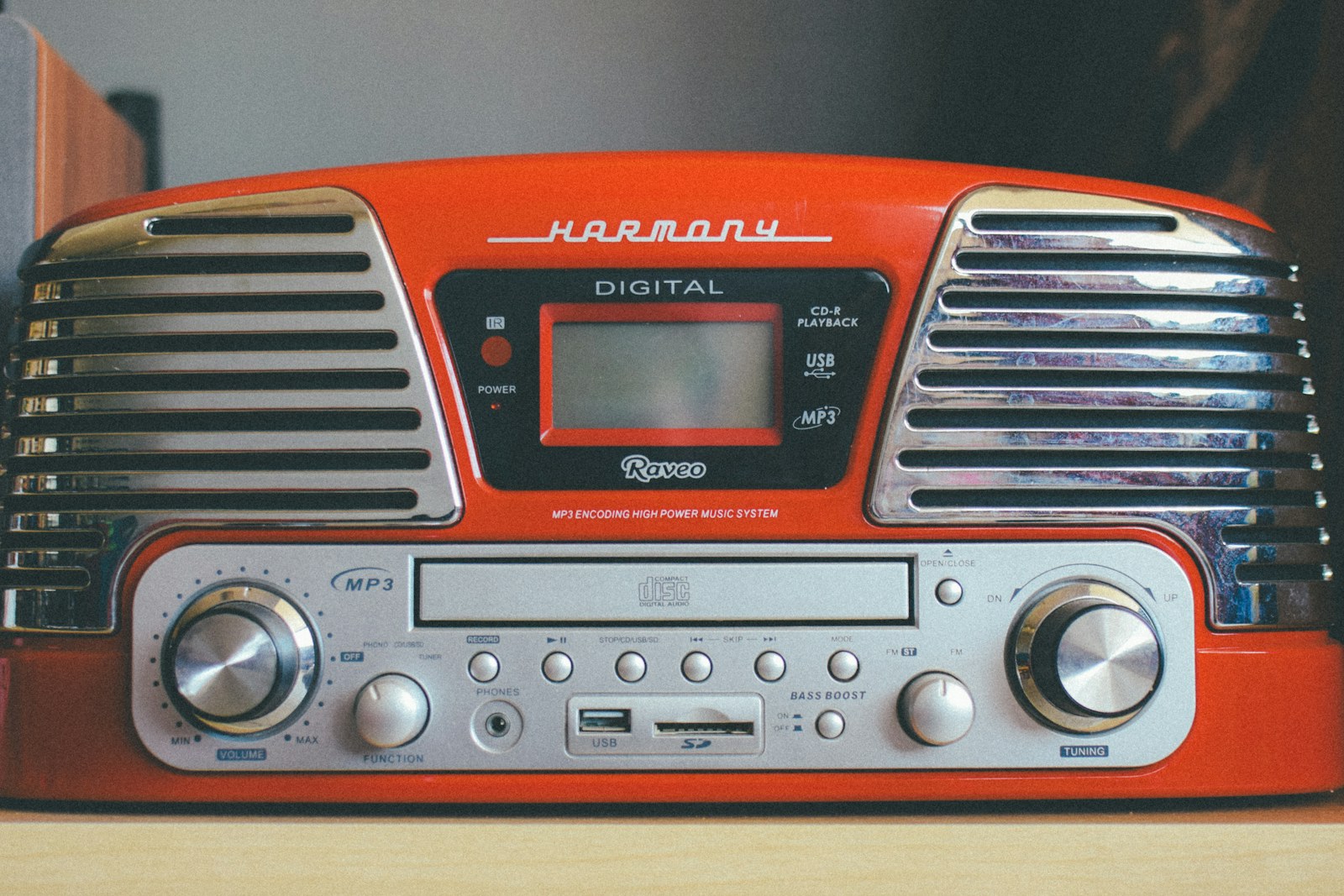
A CD gives a child something streaming structurally can’t: ownership without a screen. A five-year-old with a shelf of albums and a $30 player runs her own listening life — chooses, starts, stops, repeats — with no adult device involved and no login standing between her and her music. In my classes, the children who had “their own” albums talked about them the way they talked about beloved toys. Nobody talks about a playlist that way. If you still need the player itself, I compared the options in my guide to music boxes and music players for toddlers.
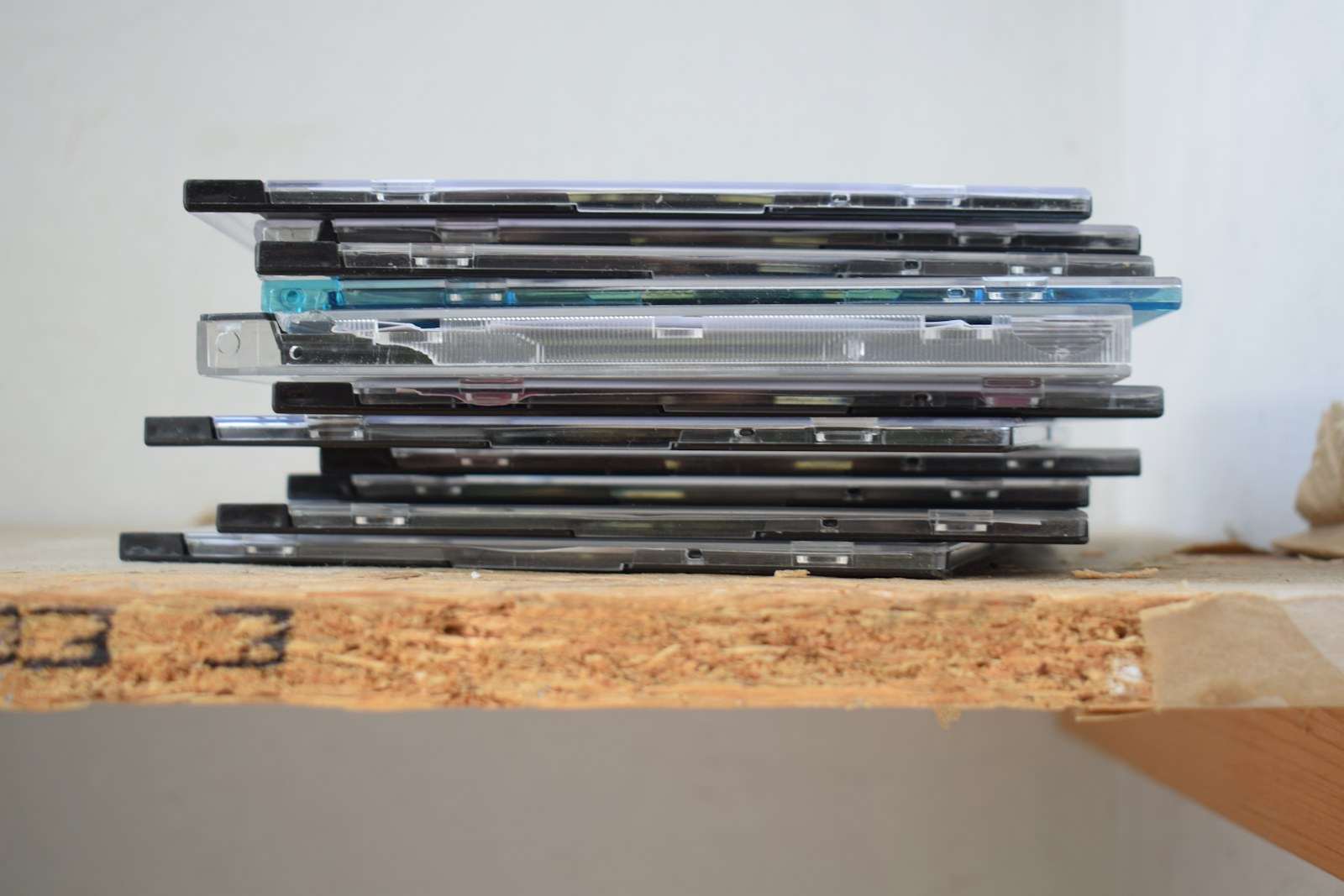
A finite collection is a feature, not a limitation. Endless catalogs invite endless skipping. Twelve tracks a child knows completely invite the hundredth listen — and the hundredth listen is where the learning lives, as I wrote in Why Your Toddler Wants the Same Song 100 Times. Songs a child knows by heart become songs they sing, and singing is the active part that matters.
Nothing decides what plays next. When side one ends, there’s silence, and the child chooses again — or wanders off to play, which is also a fine outcome. Streaming’s default is the opposite: autoplay hands the next choice to a recommendation engine tuned for continued listening, not for your child’s development.
QUICK SCIENCE: In brain-imaging work with preschoolers, researchers compared children taking in stories as audio only, as illustrated pages, and as animation. Audio-only made young brains work hardest to build the pictures themselves — effortful in a useful way — while animation did the imagining for them. Audio formats generally leave that constructive work, the good kind, to the child. (Hutton et al., Brain Imaging and Behavior)
The Screen in the Room
The practical problem with streaming for young children isn’t the music — it’s the device it lives on. Handing over a phone to pick a song hands over everything else on the phone, and the app environments kids’ audio lives in are not neutral: a JAMA Network Open review of popular children’s apps found manipulative design features — nudges, pressure, engagement hooks — in the large majority of them (Meyer et al., 2022), and newer research keeps finding that persuasive design features make it measurably harder for young children to disengage (Mallawaarachchi et al., 2025). None of this means a parent-controlled speaker playing a bedtime playlist is harmful. It means “the child controls their own streaming” and “the child controls their own CD player” are different propositions, and only one of them comes with a screen attached. I’ve written more broadly about that tradeoff in Why Screen-Free Matters.
Where Streaming Still Wins at Our House
Honesty section. Newer cars have no CD slot, and fighting that is a losing battle — downloads and streaming own the road. Family dance parties benefit from infinite requests. And discovery — finding the new artist, the song from school — is streaming’s home turf. The frame I’d offer: streaming is a wonderful family jukebox; a CD collection is a better first music library for a child to own. They’re different jobs. You’re allowed to have both, and most musical households I know do.
TRY THIS AT HOME: Give your child a music shelf this week: three albums they own — CDs, thrifted for a dollar or two, work perfectly — a simple player they’re allowed to operate, and one house rule: this shelf is yours. Then watch what a small person does with real ownership of real music. The repeat listening starts almost immediately, and that’s the point.
Why Mailbox Melodies Ships Both
This debate is why my subscription ships the way it does. Each month’s envelope ships on the 15th with a CD — the ownable, holdable, child-operated object for the shelf — and a download code for the same tracks, because your car and your travel days live in the streaming world and pretending otherwise helps nobody. It’s $19 a month, made for ages 0 to 6+, and how it compares to everything else is laid out honestly in my guide to kids’ music subscriptions and the full cost breakdown.
THE MAILBOX MELODIES METHOD: The CD is deliberate, not nostalgic. A monthly album a child can hold, stack, and start themselves builds a listening life they own; the download code covers everywhere a CD can’t go. One collection, both formats, no screen required for the child’s half.
References
- Hutton, J. S., et al. (2020). Differences in functional brain network connectivity during stories presented in audio, illustrated, and animated format in preschool-age children. Brain Imaging and Behavior. Link
- Meyer, M., et al. (2022). Prevalence and characteristics of manipulative design in mobile applications used by children. JAMA Network Open. Link
- Mallawaarachchi, S., et al. (2025). Effects of persuasive app design and self-regulation on young children’s digital disengagement. Human Behavior and Emerging Technologies. Link
- Williams, K. E., et al. (2015). Associations between early shared music activities in the home and later child outcomes. Early Childhood Research Quarterly. Link
Questions Parents Ask Me About CDs and Streaming
Aren’t CDs obsolete? Will my child even be able to play them in ten years?
Players are cheap and still everywhere, and honestly, the format outliving the decade matters less than what it does for a three-year-old this year. The childhood window is the point; nobody’s archiving for 2040.
Is streaming bad for kids?
No — and I won’t pile guilt on a tool most of us use daily. Parent-controlled streaming to a speaker is fine. The caution is narrower: young children independently navigating apps built to maximize engagement. Keep the screen in adult hands and streaming is just music.
What about screen-free streaming players like Yoto or Toniebox?
They’re a real middle path — child-operated, screen-free, catalog-fed — and I compare them directly in Yoto vs Toniebox. The tradeoffs are hardware cost and per-item purchases rather than screens.
What’s a good first CD player for a child?
Simple beats fancy: big buttons, a handle, no radio scanning to get lost in. Basic models run $20 to $40. Skip anything with lights and sound effects — the music is the show.
My car has no CD player. Does a CD subscription still make sense?
That’s exactly why download codes exist — home listening stays physical and child-run, car listening goes digital. If your family listens only in the car, though, streaming alone may honestly serve you better.

— Ms. Chelsea
Written by
Ms. Chelsea
Before starting Mailbox Melodies, Chelsea created Grape Jammers Music, a music education business in Napa, California, where she still teaches toddler music classes today. She has also taught preschool, is classically trained in voice, and has over 30 years of stage experience — including professional performances at Disneyland and SeaWorld. These days she writes and records the songs, draws the zines, and packs every envelope herself, and tries it all out on her own two little ones for inspiration.
Read Chelsea’s letter →How it works
Music class, delivered to your mailbox
A CD your child can hold and start themselves, plus a download code for everywhere a CD cannot go.
Join
Sign up in under a minute, for your family or as a gift.
Ms. Chelsea gets to work
She writes and records the month’s songs and packs every envelope herself.
Watch the mailbox
Real mail arrives with your child’s name on it. Pop in the CD and music class begins at home.
$19 a month · ships on the 15th · cancel anytime
See How It WorksScreen-free music mail for developing minds.