
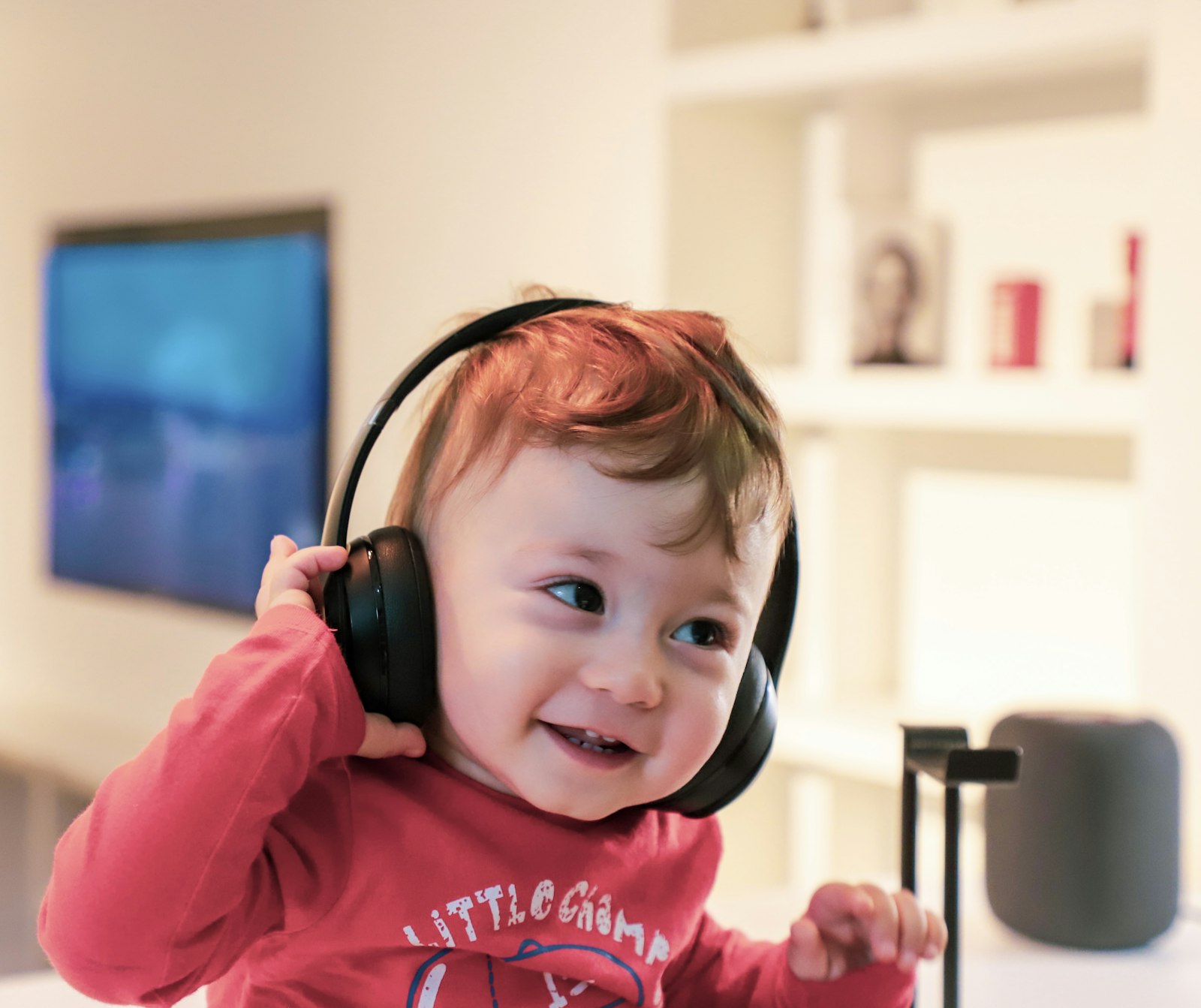
Toniebox vs Yoto — it’s the question I get more than almost any other. And if you’re trying to decide between the two, you’re already doing something right: you’re trying to get more audio into your child’s day. So I finally sat down and created a head to head comparison.
Bottom line: both are good. There is no wrong choice here, only a better fit for your child’s age and your family’s habits. And just so you know, I am simply sharing my opinion based on my experience with these players, as I utilize both for my monthly music mail club. One heads-up: the CD player link near the end is an affiliate link — if you buy through it, we earn a small commission at no extra cost to you.
The short version
| Toniebox | Yoto Player | |
|---|---|---|
| Best ages | About 1–5 | About 3–12+ |
| Player price | Toniebox 2 starter sets from ~$140 (the original, from ~$100, is being phased out) | Yoto Player ~$110 · Yoto Mini ~$70 |
| How content works | Figurines ($15–20 each) sit on top of the box | Cards ($6–15 each) slot into the top |
| Your own audio | Creative-Tonie figurine (~$13, holds 90 minutes) | Make Your Own cards (~$25 for 10, each holds up to 100 tracks) |
| Battery | A day of normal use | Up to about 24 hours |
| Controls | Tap, slap, and tilt the box | Real buttons |
| Feel | Soft, fabric-covered, huggable | Sturdy plastic (a padded “Adventure Jacket” is sold separately) |
| Screens | None at all | A small pixel display — art and a clock, no video |
Prices are US prices as of mid-2026 and they do shift, so treat these as ballpark.
What they both get right
Before we split hairs, it’s worth naming what makes either one a good purchase. Both players put your child in charge — a two-year-old can start her own music without your phone being involved. Both are built around listening instead of watching. And both let you load your own audio, which matters more than most parents realize (more on that below).
That “listening instead of watching” part isn’t a small thing.
QUICK SCIENCE: Audio makes young minds do the work
Researchers at Cincinnati Children’s scanned preschoolers’ brains while they took in stories three ways: audio only, illustrated pages, and animation. With animation, comprehension networks went quiet — the screen did the work for them. With audio, the imagination and language networks lit up, because the child had to build every picture herself. Audio isn’t the lesser format. It’s the workout (Hutton et al., 2020).
The case for the Toniebox: the toddler years
Built for the smallest hands
The Toniebox was clearly designed by someone who has watched a one-year-old operate. It’s a soft, squeezable cube. To play music, your child plops a little figurine on top — no reading, no menus, nothing to break.
The controls are the dealbreaker
Now my honest gripe, and it’s the one that moved me firmly into the Yoto camp: the controls. To skip a track, you slap the side of the box. To fast-forward, you tilt it. It’s charming for about a day. In practice it means a toddler whacking a speaker to make it do things — and between the slapping, the tilting, and the noisy songs, the whole experience gets overstimulating fast. For a player whose greatest strength is supposed to be calm, that matters.
What Tonies figurines really cost
The figurines are the magic and the catch. Kids adore them; they’re characters they can hold, line up, and carry around. But at $15–20 each, a shelf of them adds up fast, and you’re paying toy prices for what is, functionally, an audio file.
What the Toniebox 2 added, and whether it matters
The new Toniebox 2 (out this past year) added a sleep timer, a bedtime mode, more storage, and a certified 1+ age rating. It also added an optional game controller with quiz-style games. My honest take: you bought this thing to be a music player, and it’s a lovely one — you have my full permission to ignore the game accessories.
The case for the Yoto: it grows with your child
The Yoto is the player that grows with your child. The card library runs from toddler songs to chapter books for ten-year-olds, the cards cost roughly half of what figurines do, and the player doubles as a nightlight, an ok-to-wake clock, and an alarm. The buttons are real buttons — press, listen, done — which keeps the whole experience calm. And the battery lasts a full day, which anyone who has handed a dying speaker to a road-tripping toddler will appreciate (thirty more minutes to the campground is basically an eternity in toddler time).
Why the Yoto creator store won me over
Here’s the part I love most, as a small children’s musician myself: Yoto opened its store to independent creators. In 2024 they launched a creators program — think Etsy for kids’ audio — where small artists, storytellers, and teachers publish their own cards right alongside the big names, and earn royalties on every sale. When you buy one of those cards, you’re supporting a real person making thoughtful things for children. That’s a rare thing in the kids’ entertainment world, and it’s a cause close to my heart for obvious reasons.
Two honest caveats about the Yoto
Two honest caveats. First, the cards are small, and small things in houses with small people go missing — the good news is the audio downloads to the player, so a lost card doesn’t mean lost music. Second, the Yoto has a little pixel display. It shows simple art and a clock, not video, and I still consider it a fundamentally screen-free device — but if “zero pixels” is your line, the Toniebox is your player.
The cost nobody mentions
Whichever player you buy, the device is the cheap part. The content is the subscription you didn’t know you signed up for — a figurine here, a card three-pack there, and a year later you’ve quietly doubled the price of the player.
The blank cards nobody tells you about
This is why the blank options are the best-kept secret of both systems. A Creative-Tonie holds 90 minutes of anything you want. A Make Your Own Yoto card holds up to 100 tracks. Family recordings, grandparents reading books, your own music library — loaded once, played hundreds of times.

The question I’d actually ask: what will they listen to?
Here’s where I’ll use my music educator hat. Parents spend weeks comparing these two players and about four minutes deciding what goes on them. That ratio is backwards.
The player is a speaker. What shapes your child is what comes out of it — every day, on repeat, for years. And the research is clear that the kind of audio matters: music shapes a developing brain most when it’s calm, participatory, and repeated, not when it’s a wall of frantic, overproduced kids’ pop. (Yes, overstimulating audio exists too. If a song makes you feel like you’ve had three espressos, it’s doing the same thing to your toddler.)
So whichever player you choose, choose the content on it with the same care. Slow tempos. Real voices. Songs that invite singing, clapping, and moving — not just consuming. That’s the difference between audio that fills time and audio that builds something. It’s also exactly what screens quietly replace: participation.
THE MAILBOX MELODIES METHOD
This is the problem I actually built Mailbox Melodies to solve — not the player, but what’s on it. Each month I create a full album of calm, intentional music for ages 0–6: songs for morning, cleanup, wind-down, and sleep, plus one musical skill we build together. It ships on the 15th as a real envelope in the mail — a CD, a zine, stickers/fun extras, and a digital download code. And that download loads straight onto a Make Your Own Yoto card or a Creative-Tonie; members get a simple quickstart card for each player. So the Yoto vs Toniebox question has a happy answer: whichever one you pick, the music can be the same.
TRY THIS AT HOME: Choose in five questions
- How old is your child? The Yoto’s simple buttons work earlier than you’d think, and it lasts until double digits. The Toniebox really only makes sense for the under-3 crowd.
- More kids coming behind this one? A Yoto serves a 2-year-old and a 9-year-old at the same time; a Toniebox mostly won’t.
- Do you travel a lot? The Yoto Mini’s size and battery make it the diaper-bag champion.
- What’s your real budget? Price out the device plus ten pieces of content. That’s the honest number.
- Do you already have audio you love? Blank cards and Creative-Tonies mean you don’t have to rebuy it.
The third option nobody talks about: a plain old CD player
A cheaper Yoto alternative (and Toniebox alternative)
Before you spend a hundred dollars, let me offer the option I find myself recommending most often: a plain CD player. Thrifting is a great way to find one — thrift stores and garage sales are full of them, often for less than the price of a single Tonie. And if you’d rather buy new, Amazon has a ton of options starting at about $22. The exact one I recommend is this Retekess boombox on Amazon (affiliate link, about $50) — real buttons, a carry handle, and it plays cassettes too, if you want to go full 1993.
Everything I love about these two players — buttons little hands can work, music on demand, zero screens — the humble CD player has been doing for decades. And the content side is nearly free: the library lends children’s CDs by the armful, and every Mailbox Melodies envelope ships with a CD ready to go. Press play, skip, start it again — that’s real agency for a small child. There’s also something sweet about watching your little one fall in love with the same machine you grew up with.
It won’t light up, and it doesn’t take an app. That’s sort of the point.
My honest verdict: the Yoto wins
For our family, and for most families who ask me, the Yoto is the clear winner. It costs less to feed, it lasts from toddler songs all the way to chapter books, its buttons keep listening calm instead of turning it into a game of whack-the-speaker, and its creator marketplace puts your money behind small artists making genuinely good work. That’s a hard combination to beat.
Toniebox vs Yoto: who should buy which
The Toniebox still has its place: if your child is one, you want the softest and most huggable option, and zero pixels is your line, it’s a lovely first player. Just know most families outgrow it.
The real win, though, happened the moment you decided your child’s stories and songs would come through a speaker instead of a screen. Whichever player lands on your shelf, fill it with music worth repeating.
Toniebox vs Yoto: quick answers
What age is a Toniebox for, and what age is a Yoto?
The Toniebox is happiest with roughly the 1 to 5 crowd — it’s built for hands that can’t read a menu yet. The Yoto starts around 3 and keeps going to 12 and beyond, because the card library grows from toddler songs into full chapter books. If you have a one-year-old, the Toniebox is the gentler start. If you have a three-year-old, the Yoto will last you years longer.
Yoto Player or Yoto Mini — which one should I buy?
They play the exact same cards, so this is really a question about where it’s going to live. The full-size Yoto Player (around $110) doubles as a nightlight and an ok-to-wake clock, which makes it genuinely useful on a nightstand. The Yoto Mini (around $70) drops the nightlight and is small enough to live in a backpack or a car. My rule of thumb: Player if it’s staying by the bed, Mini if it’s traveling.
Can you put your own audio on a Toniebox or a Yoto?
Yes, on both — and it’s the best-kept secret of either system. A Creative-Tonie figurine runs about $13 and holds 90 minutes of whatever you want. A Make Your Own Yoto card is about $25 for ten, and each one holds up to 100 tracks. Grandparents reading a bedtime story, your child’s own singing, your family music library: that’s where these players stop being a toy and start being a keepsake.
Is the Yoto worth it?
For most families who ask me, yes — but for the running cost more than the player itself. The cards are roughly half the price of Tonies figurines, the buttons keep listening calm instead of turning it into a game of whack-the-speaker, and it stays useful for years instead of months. If your child is still small and you want something soft and huggable, the Toniebox is a lovely first player. Just know most families outgrow it.
Is there a cheaper alternative to a Toniebox or a Yoto?
There is, and I recommend it more often than people expect: a plain CD player. Thrift stores and garage sales are full of them, usually for less than the price of a single Tonie, and the library lends children’s CDs by the armful. It won’t light up and it doesn’t take an app. That’s sort of the point.
References
- Hutton, J. S., Dudley, J., Horowitz-Kraus, T., DeWitt, T., & Holland, S. K. (2020). Differences in functional brain network connectivity during stories presented in audio, illustrated, and animated format in preschool-age children. Brain Imaging and Behavior, 14(1), 130–141. PubMed 30371744
- American Academy of Pediatrics Council on Communications and Media. (2016). Media and Young Minds. Pediatrics, 138(5), e20162591. AAP
- Current device and content pricing: us.yotoplay.com and us.tonies.com (checked July 2026).
- Yoto’s independent creators program: Creators on Yoto (launched 2024).
Questions Parents Ask About Kids’ Audio Players
Which one should I buy for a two-year-old?
For a toddler specifically, the Toniebox is easier — the figures are intuitive and there’s no screen or menu. The tradeoff is that it’s the option a child outgrows sooner. If you’d rather buy once, the Yoto covers more years.
Can I put my own music on either one?
Both allow it, with different amounts of effort. That’s worth knowing before you buy — a household with its own audio, or a subscription that mails CDs, will get more out of the player that makes loading your own content simple.
Is the ongoing cost as bad as people say?
It adds up faster than the sticker price suggests, because the content is sold per item. The comparison above breaks the real numbers down. Budget for the content, not just the player.
Do I need one of these at all?
No — and I say that as someone who likes both. A cheap CD player does the core job, costs a fraction, and has no account, no app, and nothing to charge. It’s the option nobody mentions and it’s genuinely fine.
Which would you buy for your own kids?
The Yoto, for the reasons above — mainly that it stays useful for longer. That’s a preference, not a verdict on the Toniebox, which is lovely for the toddler years.

— Ms. Chelsea
Written by
Ms. Chelsea
Before starting Mailbox Melodies, Chelsea created Grape Jammers Music, a music education business in Napa, California, where she still teaches toddler music classes today. She has also taught preschool, is classically trained in voice, and has over 30 years of stage experience — including professional performances at Disneyland and SeaWorld. These days she writes and records the songs, draws the zines, and packs every envelope herself, and tries it all out on her own two little ones for inspiration.
Read Chelsea’s letter →How it works
Music class, delivered to your mailbox
Whichever player you land on, it still needs something worth playing — that’s the part I make.
Join
Sign up in under a minute, for your family or as a gift.
Ms. Chelsea gets to work
She writes and records the month’s songs and packs every envelope herself.
Watch the mailbox
Real mail arrives with your child’s name on it. Pop in the CD and music class begins at home.
$19 a month · ships on the 15th · cancel anytime
See How It WorksScreen-free music mail for developing minds.